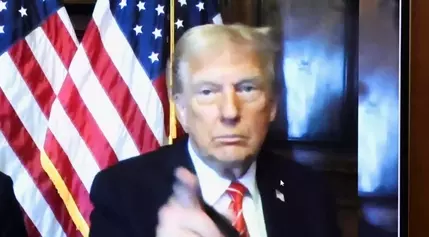
In a surprising turn of events, President-elect Donald Trump received an unconditional discharge on Friday following his conviction in the "hush money" case. Despite being found guilty, Trump will face no formal punishment as he prepares to assume the presidency in just 10 days. From his Florida residence, Trump maintained his stance of innocence, labeling the entire process a politically motivated witch hunt aimed at tarnishing his reputation. Prosecutors recommended this lenient sentence due to the imminent inauguration but were critical of Trump's actions and their impact on public perception of the justice system.
Details of the Case and Sentencing
In the crisp autumn air of New York, Judge Merchan handed down an unprecedented verdict: an unconditional discharge for the soon-to-be 47th President of the United States. This decision means that despite being convicted on all 34 counts of falsifying business records, Trump will not face any penalties such as prison time, community service, or fines. The charges stemmed from a 0,000 payment made by Trump’s former attorney, Michael Cohen, to adult film star Stormy Daniels shortly before the 2016 election. Prosecutors alleged this payment was intended to suppress information about a past encounter between Daniels and Trump, which Trump continues to deny.
The courtroom was abuzz with anticipation as Merchan explained his rationale. He emphasized that this unique sentence was chosen to respect the highest office in the land, ensuring that the judgment did not interfere with Trump's upcoming role. Notably, the maximum possible sentence could have been up to four years in prison and substantial fines for each count, but these were deemed inappropriate given Trump's status as a first-time offender and future president. The judge wished Trump well as he embarked on his second term, adding a touch of solemnity to the proceedings.
From a journalist's perspective, this case underscores the complex interplay between law and politics. It raises questions about the balance between justice and political considerations, especially when high-ranking officials are involved. While some may view the unconditional discharge as a necessary compromise, others might see it as setting a troubling precedent for accountability in public office. Regardless of one's stance, this event serves as a reminder of the ongoing challenges in maintaining transparency and integrity in both legal and political spheres.
New