

Decades of research have attempted to clarify the relationship between women's menstrual cycles and their athletic capabilities. Despite numerous studies, a clear understanding of how hormonal fluctuations impact sports performance remains elusive. This uncertainty often stems from varied research designs, inconsistent methodologies, and a lack of standardized approaches in analyzing hormonal influences. This review underscores the critical need for more rigorous scientific inquiry to unravel these complex physiological connections.
The menstrual cycle, typically spanning 28 to 35 days, is characterized by dynamic shifts in key hormones, including 17β-estradiol (E2), progesterone (P4), luteinizing hormone (LH), and follicle-stimulating hormone (FSH). While these hormones are fundamental to female reproductive health, their specific roles in modulating athletic performance are still being actively investigated. Scientific community has proposed a standardized framework for studying the menstrual cycle, focusing on four distinct hormonal phases: the early follicular phase, late follicular phase, ovulation, and the midluteal phase. This structured approach aims to enhance consistency across studies and provide more reliable insights.
Historically, many studies examining menstrual cycle effects on athletic performance have yielded contradictory results. This inconsistency is often attributed to methodological shortcomings, such as imprecise classification of menstrual phases and variations in ovulation detection techniques. For instance, reliance on basal body temperature or calendar tracking can lead to miscategorization of hormonal states. Furthermore, the inclusion of participants with anovulatory or luteal phase deficient (LPD) cycles, often a consequence of intense physical activity, can obscure the true correlations between hormonal changes and performance outcomes. Previous studies have shown a limited focus on elite athletes, often including recreationally active individuals, which can introduce significant variability in performance data. Elite athletes, with their enhanced mitochondrial function, superior neuromuscular control, and rapid recovery, might respond differently to hormonal shifts compared to less trained individuals. The current review specifically analyzed 19 studies that employed precise hormonal measurements to delineate menstrual phases, correlating these with objective athletic performance metrics. The research included 279 women, with an average age of 25.6 years. Most participants were recreationally active or moderately trained, with elite athletes being underrepresented. Despite the use of serum hormone measurements, many studies reported only mean values of E2 and P4, limiting the detailed assessment of menstrual normalcy.
Findings from the review indicated that approximately 58% of the studies observed at least one performance outcome affected by menstrual phase changes. However, the nature and intensity of these effects varied considerably. For example, some studies noted reduced maximal oxygen uptake (VO2max) or lower peak power during the early follicular phase, while others found no significant differences. Submaximal ventilation was sometimes reduced during comparisons between early and midluteal phases, yet maximal and explosive strength largely remained unaffected. The late follicular phase was occasionally linked to decreased fatigue during repeated sprints, though other research suggested diminished anaerobic sprint performance. Some theories propose that elevated estrogen levels in this phase might bolster recovery capacity, though this remains an area of ongoing debate. During ovulation, some studies indicated improvements in neuromuscular coordination, but these did not consistently translate into significant overall performance benefits.
The observed heterogeneity in study populations, encompassing both sedentary and recreational athletes, contributes to performance variability and potential learning effects from repeated task performance. Moreover, the scarcity of research on elite female athletes utilizing rigorous hormonal assessments remains a critical gap. The challenges associated with frequent blood sampling throughout the menstrual cycle often deter participant involvement. Integrating minimally invasive hormone testing techniques in sports science research could significantly boost participation and lead to more comprehensive and reliable data in the future.
The review highlights the critical need for standardized, objective methods in studying the impact of the menstrual cycle on athletic performance. The limited number of small-scale studies that met strict inclusion criteria underscores the prevalent methodological inconsistencies. These inconsistencies contribute to a high risk of bias, making definitive conclusions about menstrual cycle effects on performance challenging. Future research should prioritize rigorous study designs, precise hormonal profiling, and a greater focus on elite athletes to provide clearer, more actionable insights for female athletes and coaches.
This comprehensive review brings to light a significant and often overlooked aspect of women's sports: the impact of the menstrual cycle on athletic performance. The current body of research, while extensive, is riddled with inconsistencies, largely due to varied methodologies and a lack of precise hormonal tracking. As a journalist, I find this particularly enlightening, emphasizing that understanding female physiology in sports extends far beyond generic training protocols. It calls for a more individualized and scientifically grounded approach. The fact that a majority of studies still fail to meet high methodological standards underscores a critical gap in sports science. This isn't just about academic rigor; it has real-world implications for female athletes, from optimizing training schedules to preventing injuries and enhancing competitive edge. The underrepresentation of elite athletes in hormonally precise studies is a major limitation, as their unique physiological adaptations might respond differently to hormonal fluctuations. This review serves as a powerful call to action for researchers, coaches, and sports organizations to invest in and adopt more standardized, hormonally-informed research practices. By doing so, we can move closer to unlocking the full potential of female athletes, recognizing and adapting to their unique biological rhythms, rather than applying a one-size-fits-all model. The future of women's sports development hinges on embracing this scientific precision and fostering an environment where female physiology is deeply understood and respected.

Acura Celebrates 40 Years with the Integra 40 Racer Tribute

Bugatti Bolide Transforms into Road-Legal Hypercar

Astraux AL6/AL7 Pro: Redefining Micro EV Expectations

High-Performance 1954 Studebaker Race Car Available for Auction
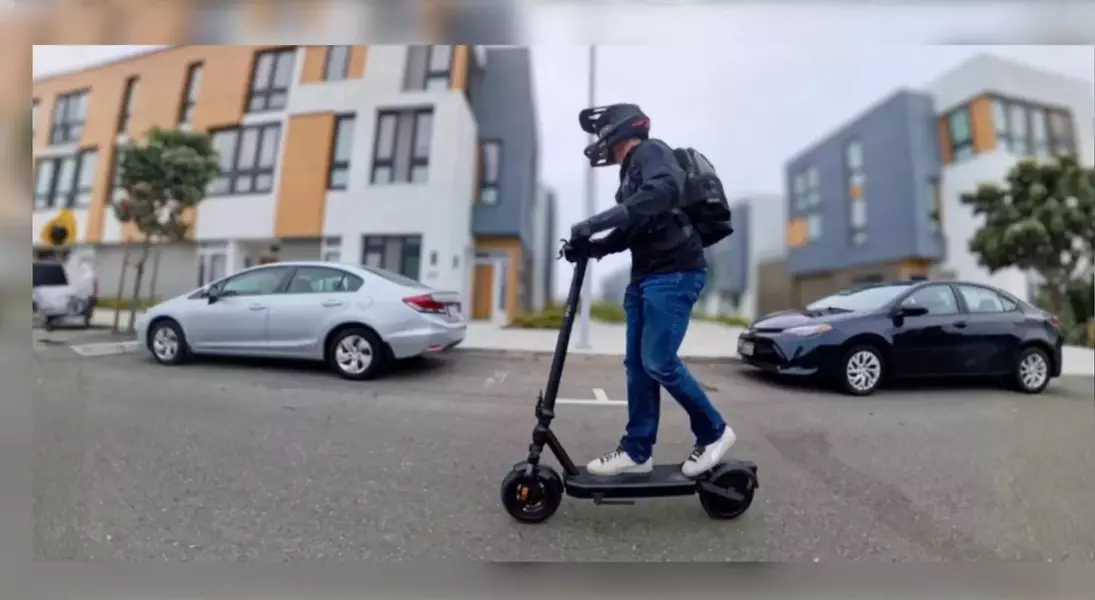
VMAX Unveils Feature-Rich VX2 Lite Electric Scooter at an Accessible Price Point

BMW's US Sales Up, But EV Sector Lags

2001 Lexus SC430 vs. Mercedes-Benz CLK430 Comparison
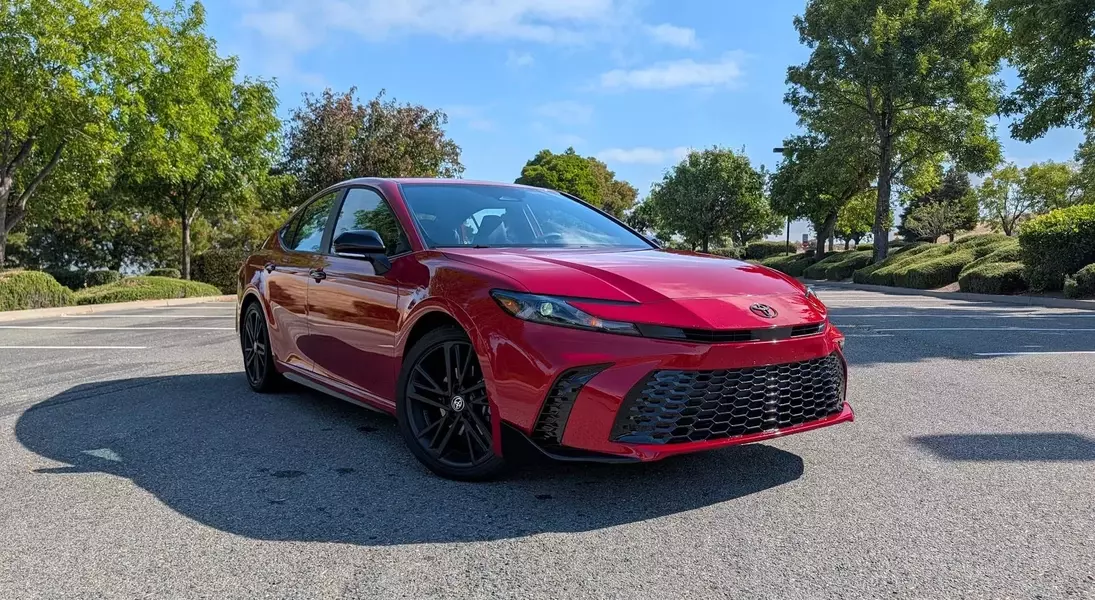
Hybrid Sedan Fuel Efficiency Showdown: Camry, Accord, and Sonata Vie for Top Spot

Tesla's Cybercab: Ambiguous Rollout at Giga Texas Sparks Debate

Automobili Mignatta Unveils New Supercars: Rina Coupe and Barchetta

Amazon Offers 36% Off on 55A Plasma Cutter, Hailed for 'Slicing Metal Like Butter'

Travis Pastrana Conquers Goodwood in 670-HP Subaru Brataroo

The Highly Modified 2012 Cadillac CTS-V Wagon: A 700-HP Beast

Audi Nuvolari and Jaguar Type 01 Spark Online Controversy at Goodwood

Goodwood Festival of Speed 2026: Live Coverage of Automotive Excellence

Innovator Tests Portable Battery Banks to Extend EV Range

New Reporting System for Reckless E-Bike and E-Scooter Riders Launched in Oregon

UNIGRID's Sodium-Ion Home Battery Launches in Europe, US Expansion Planned
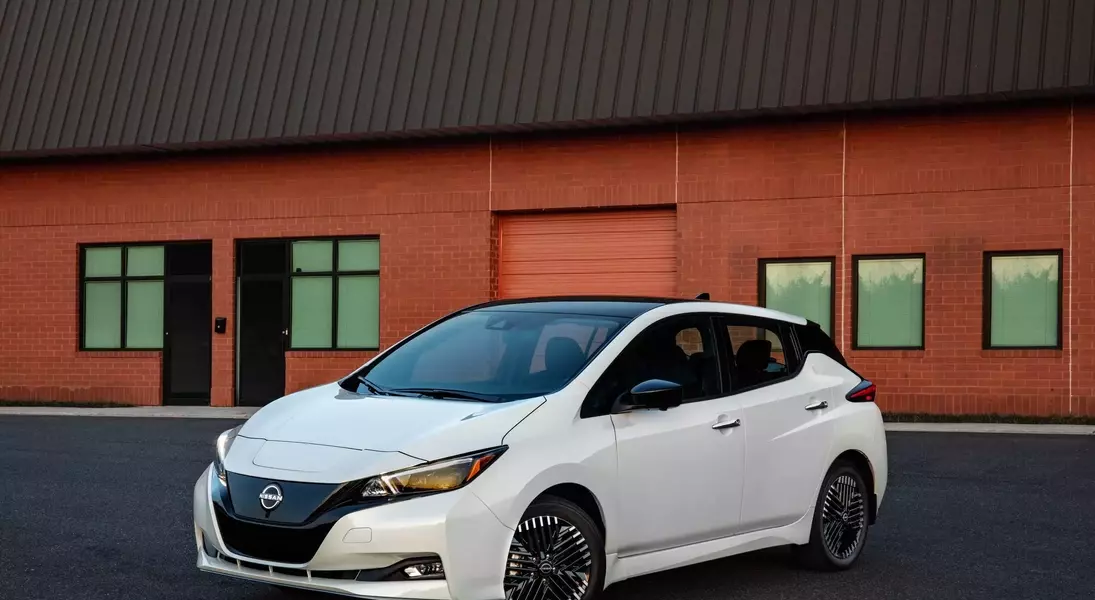
The Savvy Buyer's Guide to Affordable Used Electric Vehicles

2027 Toyota GR Corolla: A Comprehensive Review

Meta's AI Strategy Boosts Stock, Attracts Investor Confidence

First Hawaiian Expands Westward with TriCo Bancshares Acquisition

Cramer's Bullish Outlook on Pennant Group Stock: A Potential Climb to

Retirement Wealth Tiers: Navigating Financial Security for American Seniors

Hedge Fund Manager Compares SpaceX to Dogecoin, Cautions Investors

Jim Cramer Defends Mark Zuckerberg's Vision for Meta's Future

High Insurance Costs Hinder UK Electric Vehicle Adoption

California's EV Subsidy Excludes Tesla, Boosts Rivian

Understanding the Repeating Stock Pattern of National HealthCare Corporation

Analyst's Upgraded Rating Sparks SanDisk Stock Surge

Bloom Energy: A Deep Dive into its Market Performance and Future Prospects

Starbucks's Strategic Software Shift: Implications for Toast and Enterprise Tech

Inflation Report's Critical Role in Stock Market and Federal Reserve Decisions

ASML Holding's Q2 Earnings: What to Expect and Why it Matters for the Tech Sector

Nvidia's AI Market Position: Resilience Amidst Growth Challenges

Regretting Early Social Security Claims? Here's How to Rectify It

Rocket Lab's Strategic Expansion: Acquiring Iridium and Building an End-to-End Space Empire

Intel Stock Experiences Decline Amid Memory Chip Market Concerns

Rising Mortgage Rates and Housing Market Challenges

Suncor Energy's Strong Performance and Future Prospects

Exploring Top Fitness Trends of 2025: At-Home Pilates and Beyond
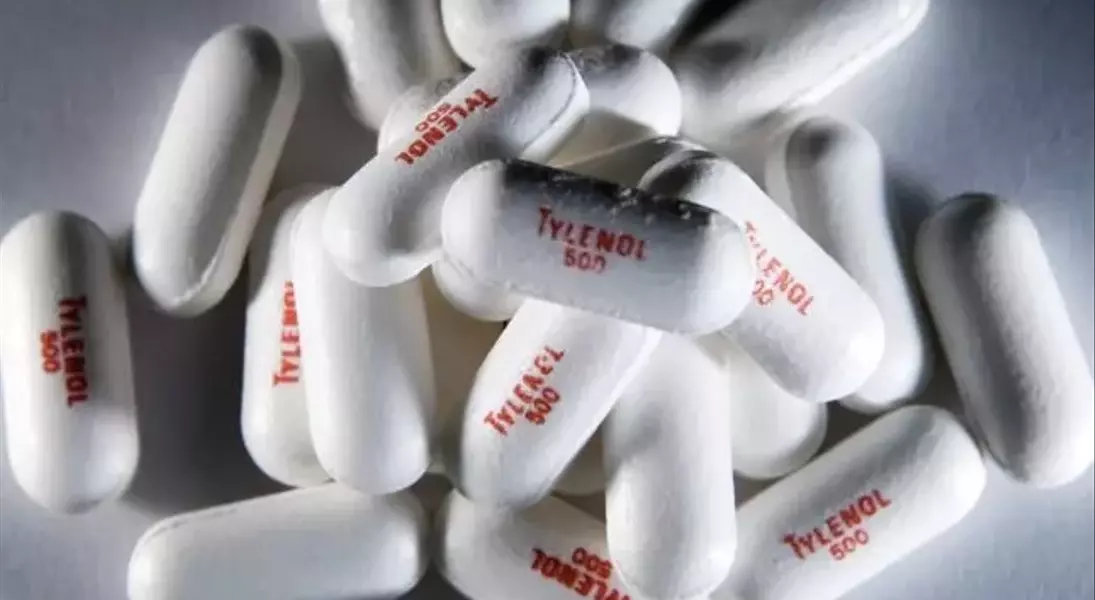
Exploring the Links Between Common Medications, Autism, and Research Challenges

The Evolution of Princess Cake: A Culinary and Artistic Journey

A Weekend Escape to Nantucket: History, Charm, and Coastal Beauty

Sunn's: A Culinary Gem in Chinatown

Geographic Disparity Emerges in Lung Cancer Drug Trial, Clouding Approval Prospects

B. Braun Acquires True Digital Surgery for Microscopy Technology Advancement

Effectiveness of Psychotherapy for Young Adults: A Critical Evaluation

Phoebe Philo's Latest Collection: Blending Practicality with Unconventional Flair

Motor Skill Deficiency in School-Aged Children: A Deep Dive into Physical Education Programs

Reduced Working Hours and Depression Risk in Older Adults
The Menstrual Cycle and Athletic Performance: Unraveling the Hormonal Impact

Supreme Court's Decision Impacts NIH Funding for DEI Initiatives

Journey to the Edge of the World: Portugal's Maritime Legacy

Mount Etna: A Journey Through Lava and Vineyards

Redefining Allure: Tom Ford and Mugler's Bold New Vision for Fashion
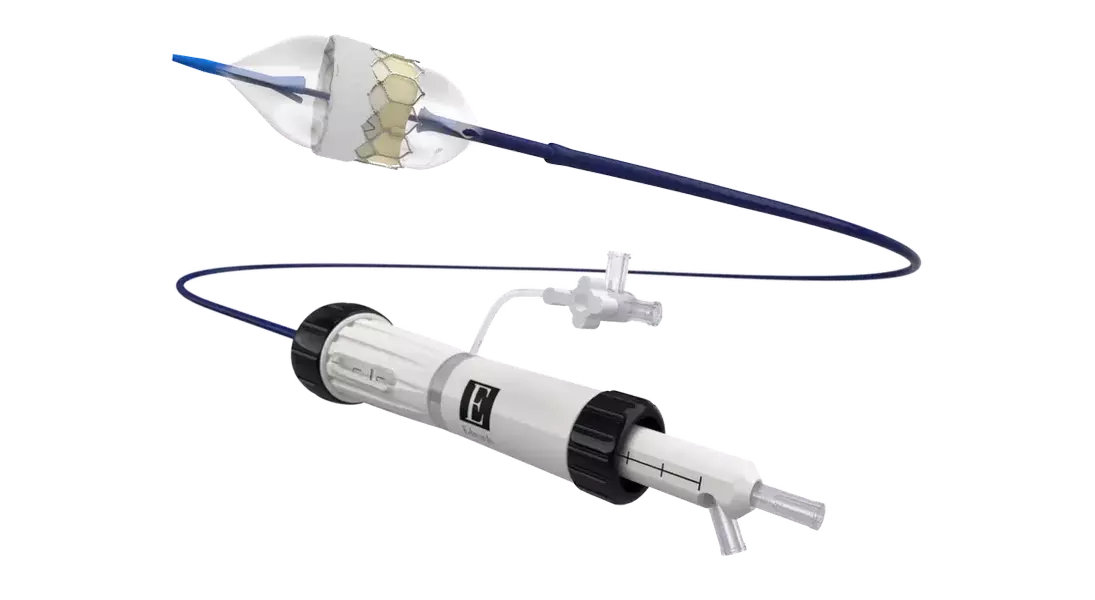
Leadership Transition at Edwards Lifesciences and Robust Q2 Performance
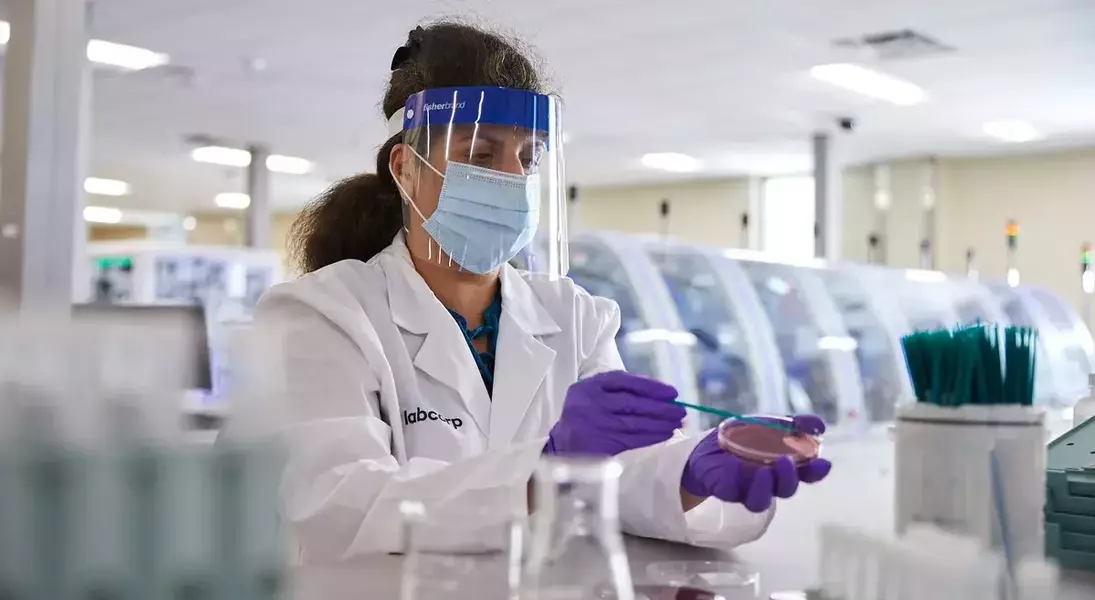
Labcorp's Strategic Acquisition: Expanding Outreach Lab Services

MoonLake's Autoimmune Drug Fails to Impress in Trials

AstroCapsules: A Novel Approach to Mitigate Brain Inflammation


